CULTURE, FASHION, ITEM 2025.12.5
EYEVAN 7285 Part 4
美しさの正体
The Anatomy of Beauty
〈EYEVAN 7285〉は、アイウエアの歴史に敬意を払いながらも、常に革新的なモノづくりを実現させてきた。主張の強い華美なデザインではなく、じんわりと心に余韻を残すようなプロダクトの数々は、アイウエアに精通している玄人を唸らすばかりでなく、モノ自体の存在感によって、多くの人々を魅了してきた。従来のアイウエアの文脈をなぞることに終始せず、常に新たな視点を自由に取り入れながら、洗練された美意識が細部までこだわり抜かれたプロダクトをつくり出す。そんな〈EYEVAN 7285〉デザインチームのしがらみのない発想を可能にするのは、生産に携わる人々の圧倒的な技術力。今回は3型の新作に関わる工場を訪れ、それぞれのプロダクトの製作に携わった人々の声を聞いた。スポットライトが強くあたることは多いとは言えない生産を支える人々が、圧倒的なプロ意識と実力、経験値によって、プロダクトの美しさを限界まで引き上げる。単なる発注、受注という次元ではない、デザイナーと生産者、双方が互いを高め合いながらプロダクトが生まれる現場に、モノづくりの本質を見た。
〈EYEVAN 7285〉 pays homage to eyewear history while constantly realizing innovative craftsmanship. Not through bold, flamboyant designs, but through products that leave a lingering resonance in the heart. These creations not only impress eyewear connoisseurs, but captivate many through the sheer presence of the objects themselves. Rather than merely tracing the established context of eyewear, they constantly incorporate fresh perspectives freely, creating products where a refined aesthetic sensibility is meticulously applied to every detail. What enables the unshackled creativity of the EYEVAN 7285 design team is the overwhelming technical skill of the people involved in production. This time, we visited the factory involved in the production of three new models and heard from the people involved in making each product. The people supporting production, who are not often in the spotlight, push the beauty of the product to its limits through their overwhelming professionalism, skill, and experience. It is not merely a matter of placing orders and fulfilling them.We saw the essence of craftsmanship in the workplace where designers and producers mutually elevate each other to create products. We witnessed the essence of craftsmanship in this workshop where products are born.
Photo Haruki Matsui
Edit & Text Shuhei Kawada
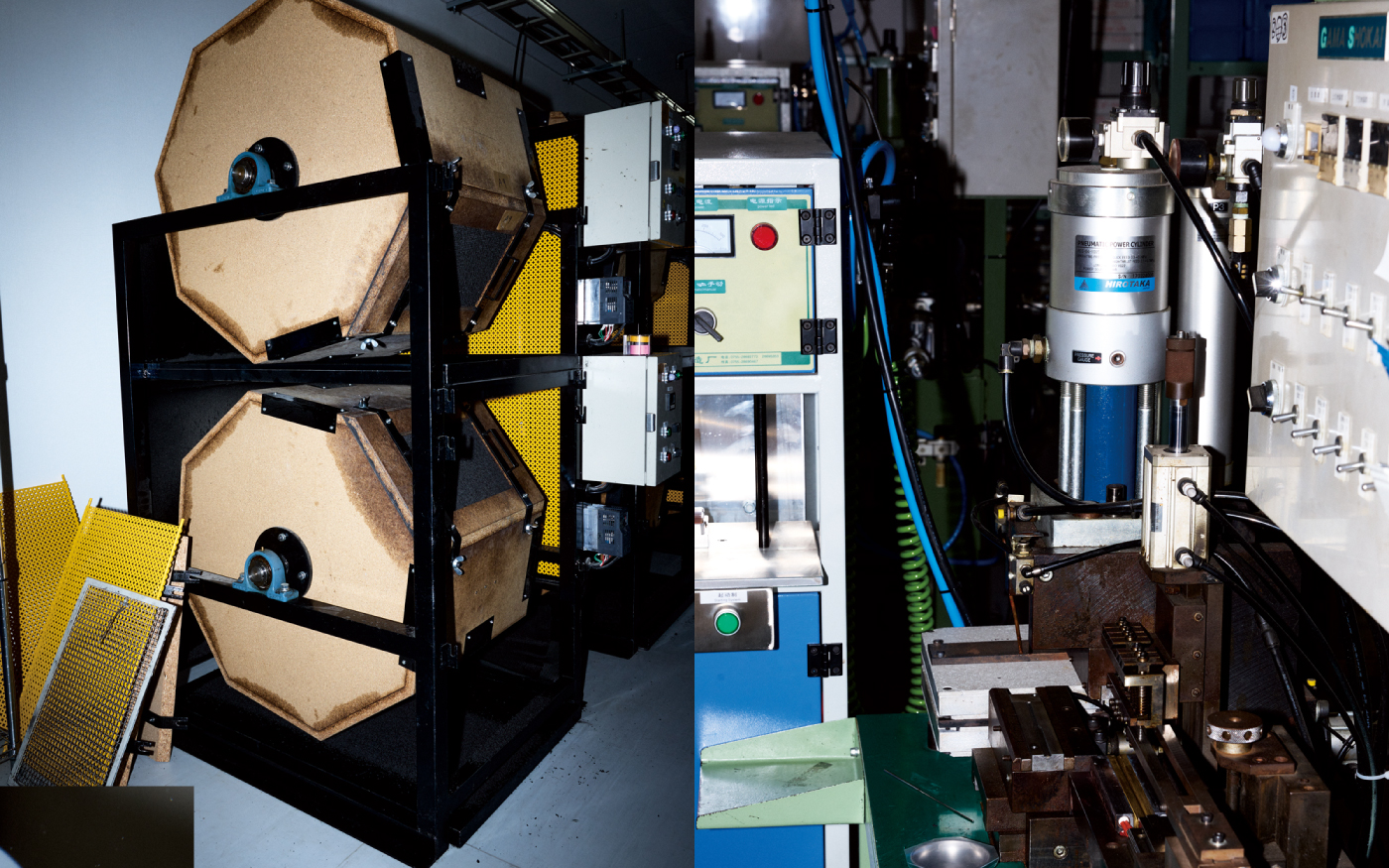
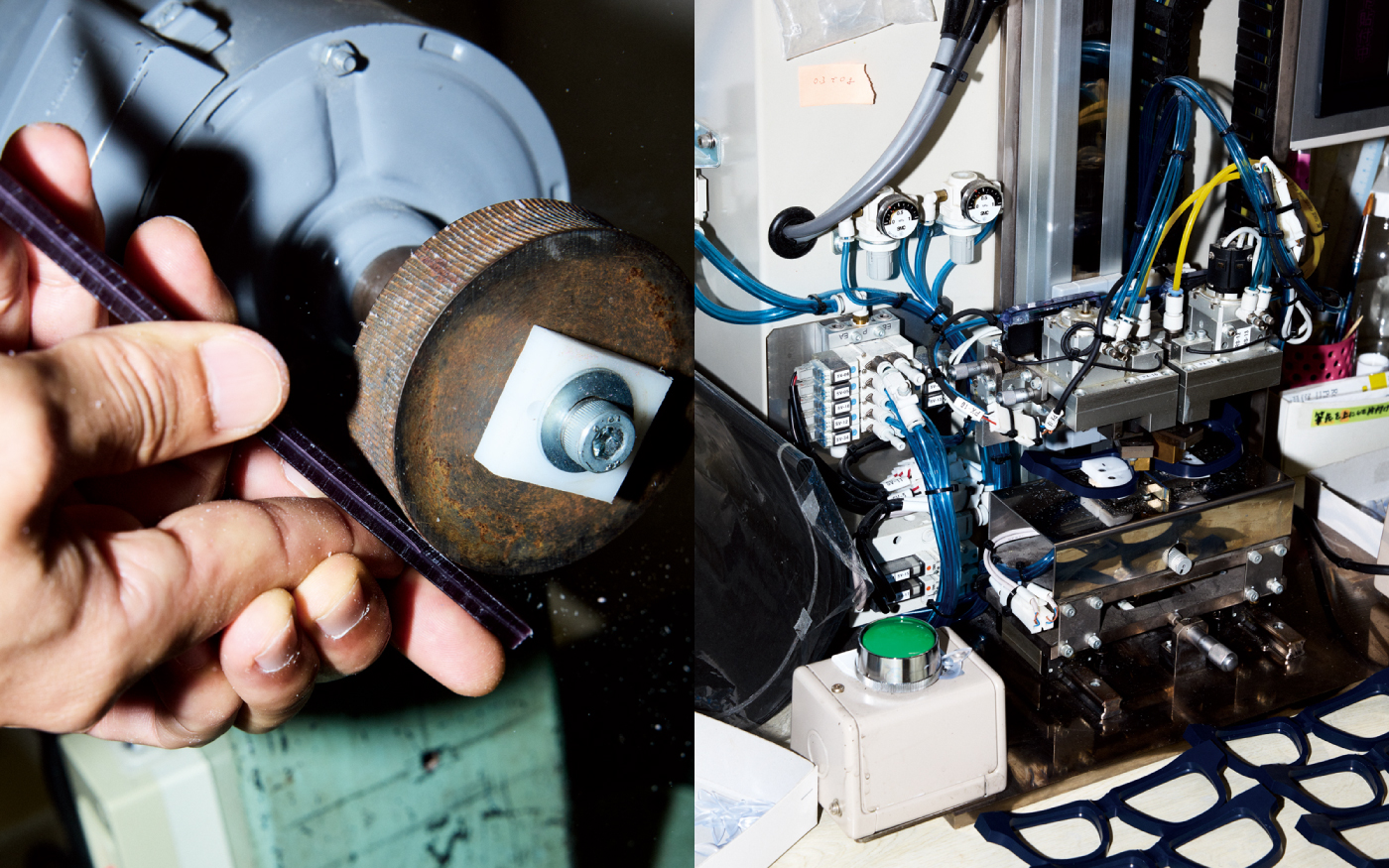
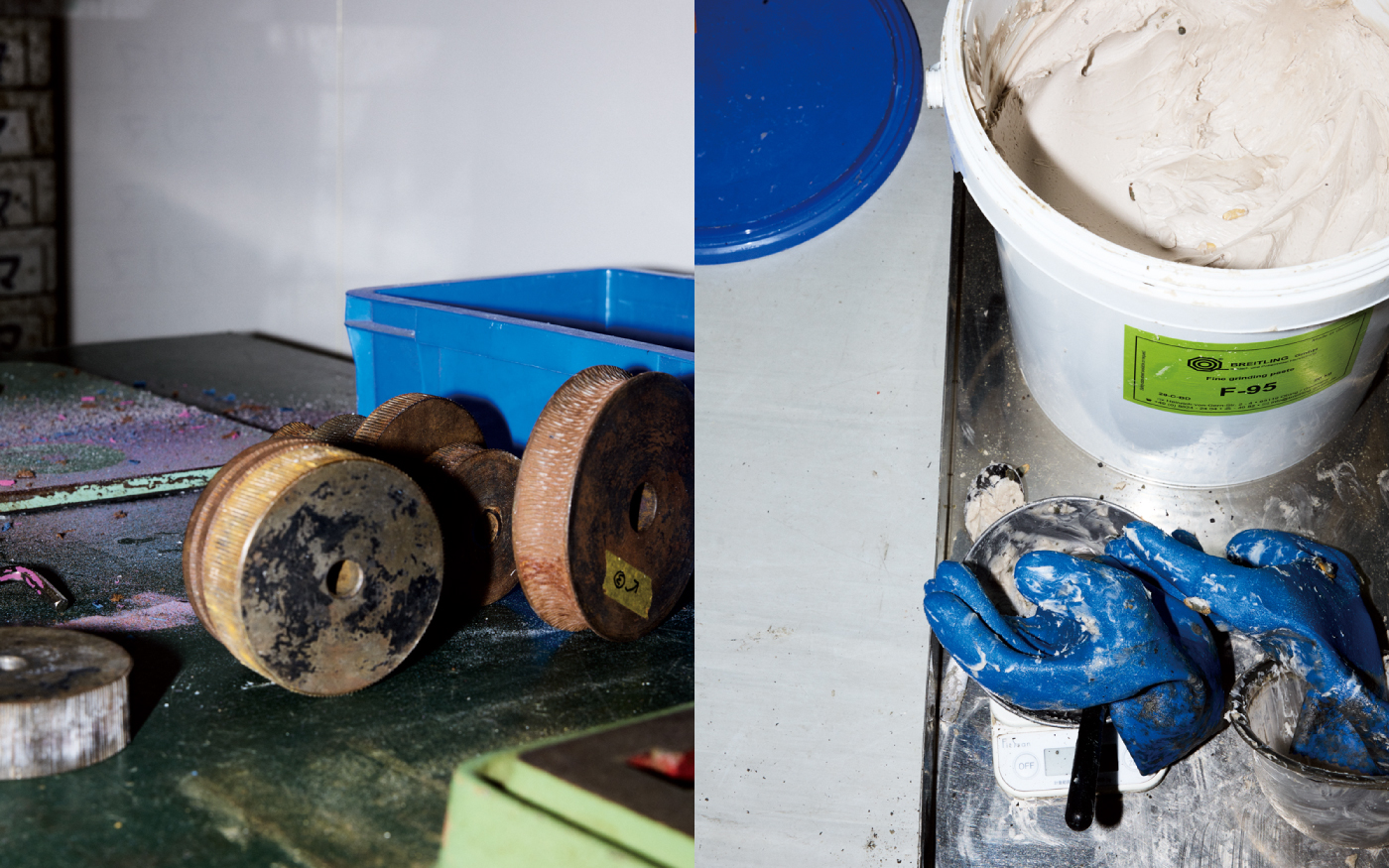
肉厚なプラスチックのフレームが独特の温かみとインパクトを放つ『374』もまた、モノづくりの極意が詰まっている。ここでも他の2つの新作と同様、プラスチックのフレームのプロダクトに関する製作を主に請け負う企業の技術やアイデアと、〈EYEVAN 7285〉デザインチームが求めるデザインの共鳴が、高い次元での表現を可能にしている。「デザインチームとの話でも、よくヴィンテージのメガネの話になるのですが、そうしたものってやはり個人がもっている美意識みたいなものがそのまま投影されていて、揺らぎもあるんですよね。産業が栄えて、生産効率をよくしていったことで、今はもうつくれないというものってめちゃくちゃ多くあるんです」。『374』は、今の時代に用いられる手法とそれによって失われた技術の双方を用いて生まれた、いわば時空が歪んだような特殊なアプローチが魅力だ。ヴィンテージの再現に止まらず、アップデートしながら、今の時代にしかできない表現を模索する。〈EYEVAN 7285〉らしさが存分に詰まっている。「もともとメガネづくりで、テンプルに金属を埋め込む方法として用いられていた、芯張りという手法がありました。この手法では、プラスチックが溶ける薬品をベースのプラスチックに塗って、金属を置いて、さらにその上から生地を重ねてプレスすることで埋め込むものです。そして金属を内側に埋め込んだものを、テンプルの形に切り抜きます。切り抜いたあとに、刃物で角を落として、製品にしていく。その過程で、当時は機械化されていなかったために、職人ごとの美意識みたいなものが投影されるんです。しかし、生産効率を上げるために、新しい手法として生まれたのがシューティングという手法です。ベースとなるプラスチックを熱して、金属をさらに高温で熱して差し込んでいく。そして製品の形状をした精密な金型でプレスすることで、思い通りの成型が可能になります。しかし間に差し込んでいくという手法によって、うまく金属が入らないという生産性の代償も生まれました。とはいえ結果的にシューティングによる圧倒的な生産性の向上によって、そしてプレスでの自由な成型の実現によって、芯張りの職人というのはどんどん少なくなってしまいました」。生産性の向上と、その代償。アイウエアに限らず、あらゆる業種や社会全体にも通ずる問題を、モノづくりにおけるチャンスへと転換した。「別の工程ではるか昔に使用されていた回転ヤスリを使用して、手作業で形状をつくり込みました。丸みを帯びたシューティングでしか実現できない形状を、全く別の手法で実現するというのが、今回の狙いです」。結果的に、ひとつひとつ微妙に表情の異なるテンプルを生み出すことに成功。製品基準として、一律に同様のクオリティのものを生み出すことも重要ではあるが、そこに用いられる技術の背景と向き合い、異なる状態を残して示せる美学もある。「以前デザインチームの方と話していて、〝全力でやって、プロダクトとして成功させようとした終着点に、限界の揺らぎが出てくることがある。その揺らぎは大好きだけれど、わざとその揺らぎをつくろうとするのは偽物になるよね〞と言われたことをずっと覚えていました。どの時代でも技術の限界みたいなものがあって、その果てに辿り着く面白さとか、美しさがあるという話で。自分はもともとそういう考えが強いわけではなかったのですが、今メガネの品質が世界的に上がりすぎていて、近い将来どこの国でつくっても同じレベルになってしまうと思うんです。では僕らが生き残っていくためにはどこを特化させないといけないかというのをずっと考えていて、プロダクトのクオリティに寄りすぎるのではなく、アートの文脈を取り入れたりしていければ、日本製の良さが伝わったり、会社が生き残る道がありますよね」。互いのアイデアや技術を寄せ合ってプロダクトを生み出すことで、モノづくりの哲学や美学といった感覚をチューニングしていく。100%全く同じものを生み出すというのもクオリティを表す基準だとすれば、その先を目指して生まれる、人の手を介在した小さなズレもまた、価値になる。限界を目指すからこそ見える、ほんの少しの揺らぎが、正解を求めることが先行する現代において、ロマンとなる。3つの新作の生産背景に迫ることで見えてきたのは、結局のところ自由を成立させるために必要な、尋常じゃない労力。アイデア、技術、知識、経験、責任、挑戦など、当然要求されるような全てのフェーズにおける基礎が圧倒的に高い。自由は単なる逸脱ではなく、文脈を理解し、自分たちのものとして表現するための闘争の連続とも言えるだろう。消費者が手にする時の印象は、あくまでプロダクトの佇まいでしかなく、確かにその時点で特段の説明がなくとも、オーラを放つ。しかし細部に目を向けて紐解いていくと、より濃厚なストーリーが隠されており、全てを把握する必要はなくとも、触れることで得られる確かな重みがあった。知識として楽しんでほしいというよりは、どういう想いで、どれだけの工程や時間があってプロダクトが生まれるのか。そうした点を想像することは、ファッションやカルチャーを育んできた土壌に目を向ける行為でもある。アイウエアに限らず、短期的に最大限の効果を引き出すようなアプローチが一般化していく現代において、人の力や手の温もり、実物の質感や想いといったものは、時代を超えて残っていく可能性を大いに秘めている。しかし同時に、そうした技術の担い手の減少や、産業自体の縮小、はたまた工場で使用する機械の製造元の消滅など、過酷な現状があるのも事実。劇的にすぐに改善するということは現実的ではないが、自分たちが日々身に着けるものや、手にするものを選ぶ過程で、ストーリーに目を向ける姿勢がカルチャーを繋いでいくだろう。
The ‘374’ model, with its thick plastic frame that exudes a distinctive warmth and presence, also embodies the essence of craftsmanship. As with the other two new releases, the synergy between the technical expertise of the company responsible for manufacturing the plastic frames and the design vision of the EYEVAN 7285 design team enables high-level expression. Discussions with the design team often turn to vintage eyewear. These pieces truly project the personal aesthetic sensibilities of their owners and have their own unique character. As the industry flourished and production efficiency improved, countless techniques that cannot be replicated today were lost.” The appeal of the ‘374’ model lies in its unique approach, born from a fusion of contemporary techniques and lost craftsmanship – a warped space-time, if you will. It doesn't stop at vintage reproduction; it seeks to express what is only possible in the present era through continuous updates. It encapsulates the essence of EYEVAN 7285. Originally, in eyewear manufacturing, a technique called 'core embedding' was used to embed metal into the temples. This method involves applying a chemical that melts the base plastic, placing the metal, then layering material over it and pressing to embed it. The metal-embedded piece is then cut into the temple shape. After cutting, the edges are smoothed with a blade to finish the product. Back then, this process wasn't mechanised, so the aesthetic sensibility of each artisan was reflected in the result. However, to boost production efficiency, a new technique called 'shooting' emerged. This involves heating the base plastic and then inserting metal that has been heated to an even higher temperature. By pressing it into a precise mould shaped like the final product, the desired form is achieved. However, inserting the metal also had an impact on productivity: the metal didn't always fit properly. Nevertheless, the significant increase in productivity achieved through 'shooting', combined with the freedom of form possible through pressing, meant that the number of core-laying craftsmen steadily declined. Increased productivity and its trade-offs. This problem is applicable not just to eyewear, but to all industries and to society as a whole. However, it was transformed into an opportunity within manufacturing. 'We used rotary files, long since abandoned in other processes, to manually shape the pieces. Our goal was to achieve shapes that were only possible with rounded shooting moulding, using an entirely different technique.' The result was the successful creation of temples, each with its own subtle expression. While producing items of consistent quality is important, there is also aesthetic value in acknowledging the techniques used and showcasing these variations. “I've always remembered a conversation with someone from the design team. They said, “When you give it your all and push to succeed as a product, you sometimes reach a point where the limits start to waver. I love that wavering, but trying to create it artificially feels fake.” They were talking about how every era has its technical limits and how there's an inherent fascination and beauty in reaching those boundaries. I wasn't inclined to agree with this way of thinking before, but the quality of eyewear globally has risen so much that I believe that, in the near future, no matter which country makes them, they'll all be made to the same standard. So I've been thinking about how we can specialise to survive. Rather than relying too heavily on product quality alone, we should incorporate an artistic context to showcase the appeal of Japanese-made products, which will help the company survive. By pooling our ideas and techniques to create products, we refine our sense of manufacturing philosophy and aesthetics. If producing 100% identical items is one standard for quality, then the small human-induced variations that emerge when aiming beyond that also hold value. It is precisely by pushing the limits that we observe these subtle fluctuations — a romantic notion in our modern era, where seeking the 'correct answer' often takes precedence. Delving into the production background of these three new pieces ultimately reveals the extraordinary effort required to achieve this level of freedom. The standards demanded at every stage — in terms of ideas, techniques, knowledge, experience, responsibility and challenge — are extremely high. Freedom isn't mere deviation; it's an ongoing struggle to understand context and express it in one's own way. When consumers hold the product, they are purely impressed by its presence — it certainly radiates an aura, even without explanation. Yet looking closer and unravelling the details reveals a richer story hidden within. You don't need to understand everything, but touching it conveys a tangible weight. Rather than merely enjoying the product, imagining the intentions, processes and time invested in its creation is also an act of acknowledging the roots of fashion and culture. In this modern era, where approaches focused on maximising short-term effects are becoming commonplace, the human touch, the warmth of hands, the texture of the actual object and the emotions behind it all have great potential to endure beyond the times — not just in eyewear, but in all areas of fashion and culture. However, the harsh reality is that the number of practitioners of these techniques is dwindling, the industry itself is shrinking, and manufacturers of the machinery used in factories are disappearing. Dramatic, immediate improvement isn't realistic. However, adopting an attitude that considers the story behind what we wear or hold in our hands daily will help us to connect with the culture.
Item: 374
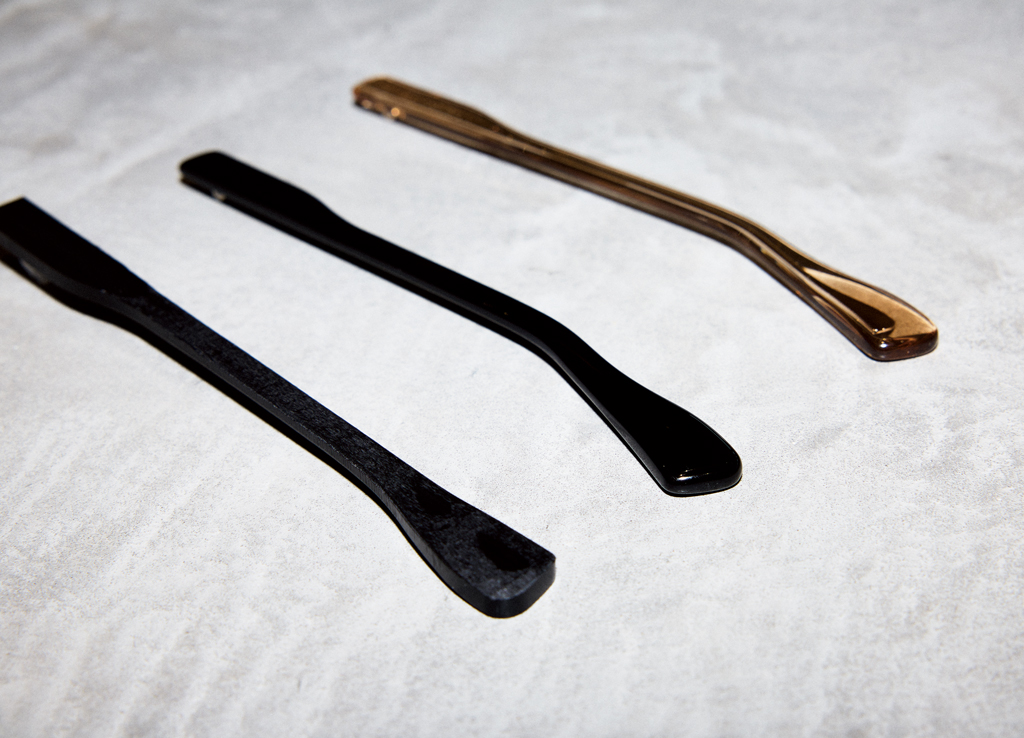
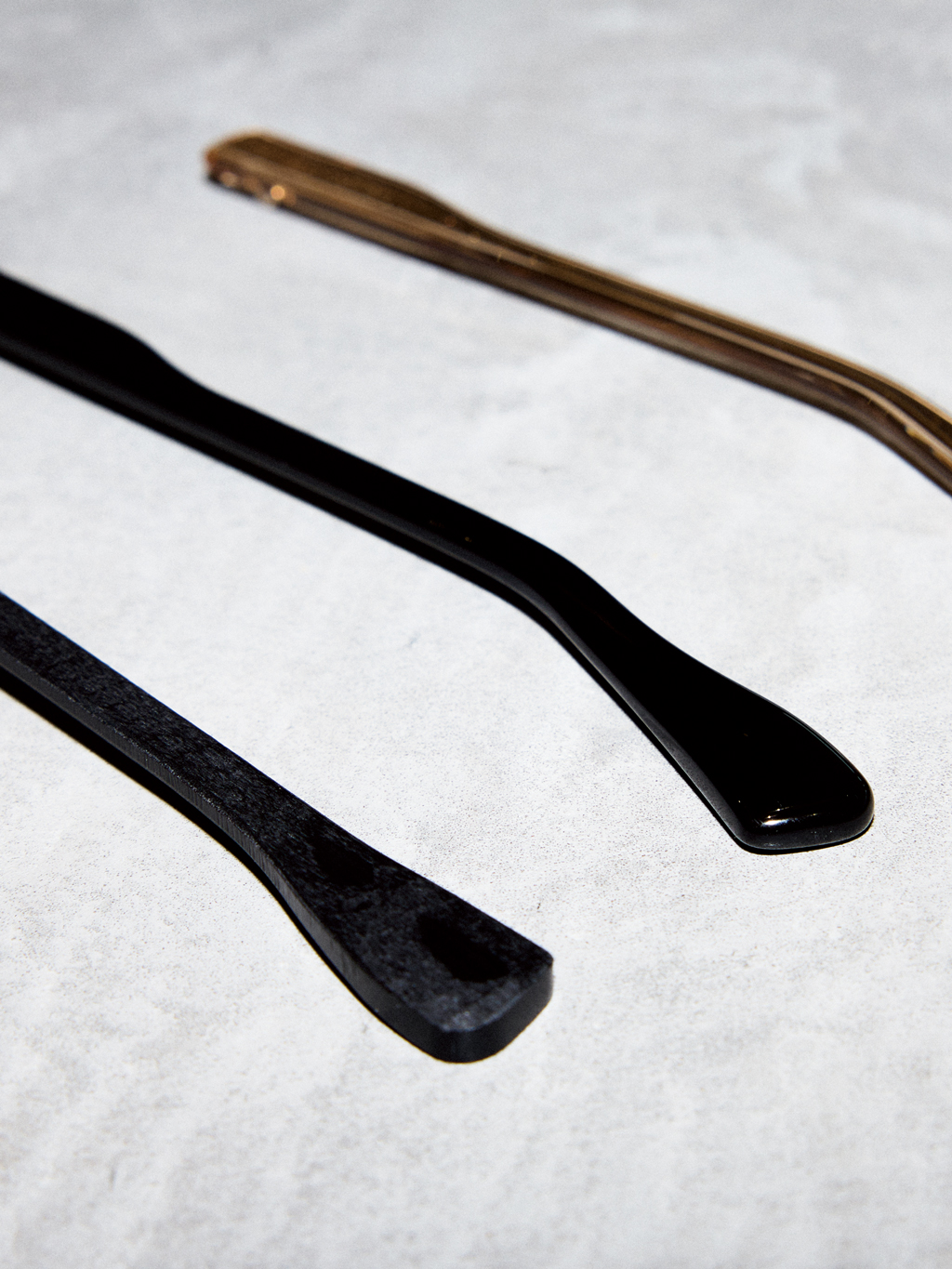
3本並ぶテンプル部分の、手前が実際の製品時のシルエットの参考として製作されたもの。実際にやすりをかけている様子もあるが、こちらで使用されるやすりは現在製造されていないため、いわば絶滅寸前の代物。最新の技術の中に、こうした過去の産物を用いて、まだ見ぬ表現へと繋げていく。他にもマシンや、ガラ入れと呼ばれるパーツの成形に用いられる工程での、独自の技術による開発が行われており、プロダクトを生産する工場においても、歴史や未来を考えた視点が不可欠になるのだと思い知らされた。
Item: 374
The front piece of the three aligned temple parts was created to provide a reference for the silhouette of the actual product. While you can see the filing process, the files used here are no longer manufactured. This makes them near-extinct artefacts. We connect these relics of the past to expressions yet to be seen using the latest technology. Other developments, such as machines and processes for forming parts called 'glass inserts', utilise proprietary techniques. This experience has made us realise that, even in factories producing these products, a perspective that considers both history and the future is indispensable.